Best Dog Training Treats and Medication Pockets: An Owner’s Review
Dog food keeps pets healthy and gives owners a simple way to meet a dog’s daily nutrition needs.
It comes in dry kibble, wet cans, fresh refrigerated meals, and raw-style diets. Each type has its own perks for convenience, cost, and nutrition.
I focus on what actually works: what fits a busy schedule, what supports a dog’s life stage, and what helps with allergies or dental needs.
When buying dog food, ingredient quality, guaranteed analysis (protein, fat, fiber), and digestibility matter most.
Look for foods with named animal proteins first, moderate fat, and no vague fillers or artificial additives.
I tested lots of brands and formulas to find options that balance nutrition, price, and taste for most dogs.
Best Dog Training Treats and Medication Pockets
I picked these dog foods for quality, nutrition, and value.
My list covers wet and dry options for different ages and needs so you can find the right food for your dog.
Greenies Pill Pockets (Large)
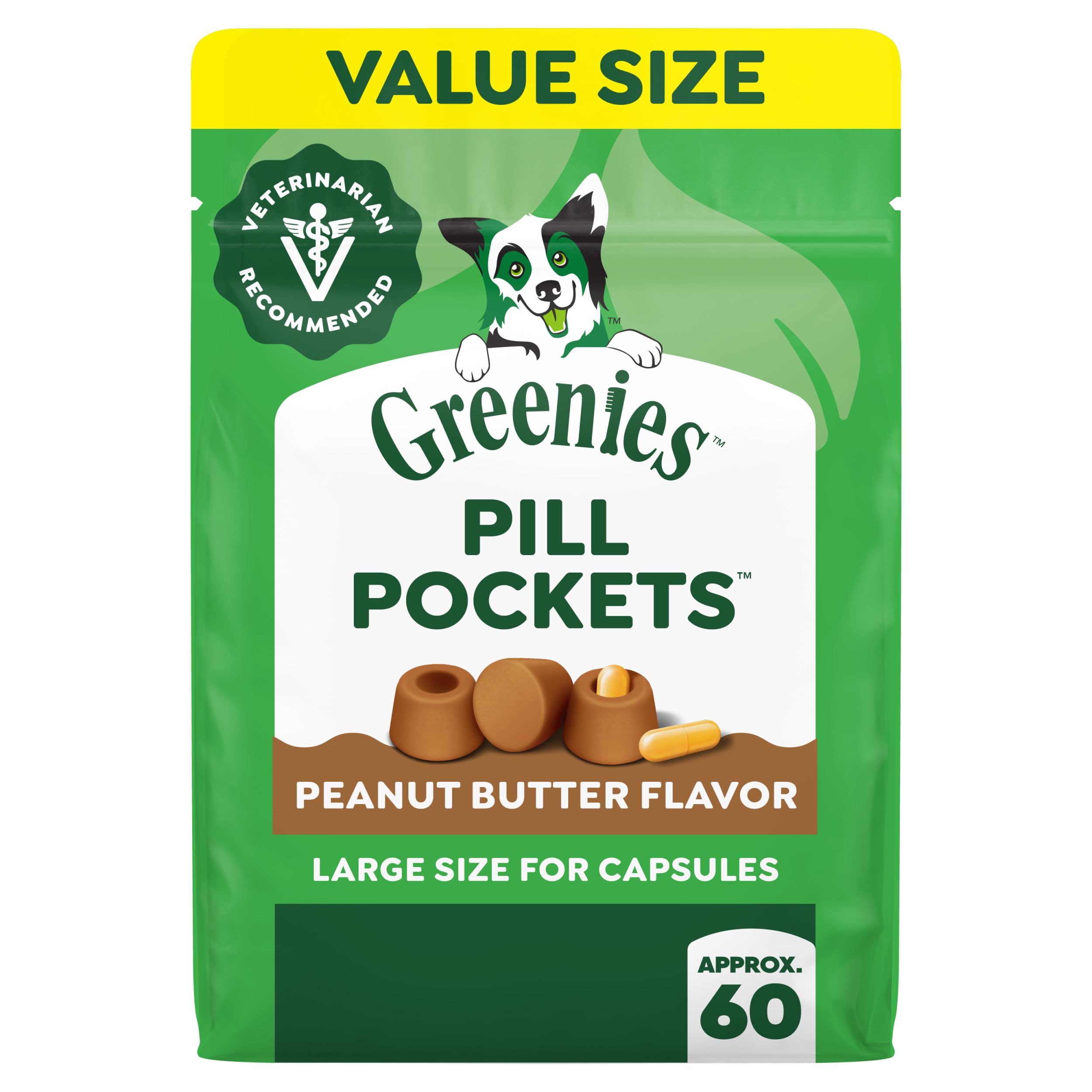
I recommend these if you need an easy, low-mess way to give pills. My dog took them without fuss and they saved time.
Pros
- Dogs eat them willingly, even picky eaters.
- Soft texture makes swallowing easy for older dogs.
- Quick to use—drop, pinch, and offer.
Cons
- Strong peanut smell that can bother people.
- Some dogs may still refuse certain meds.
- More expensive than using human food.
I used these daily for a short course of meds. He took every dose without spitting pills out, which made our routine calm and predictable.
The pouch felt soft and easy to mold around pills. I liked that I didn’t have to smear peanut butter on my fingers or clean up crumbs afterward.
The scent was very noticeable when I opened the bag. It didn’t stop my dog, but it did annoy me at times.
These pill pockets made medicine time simple and less stressful for both of us. I’d buy them again if I need a reliable way to hide capsules or tablets.
Milk-Bone MaroSnacks (Small)
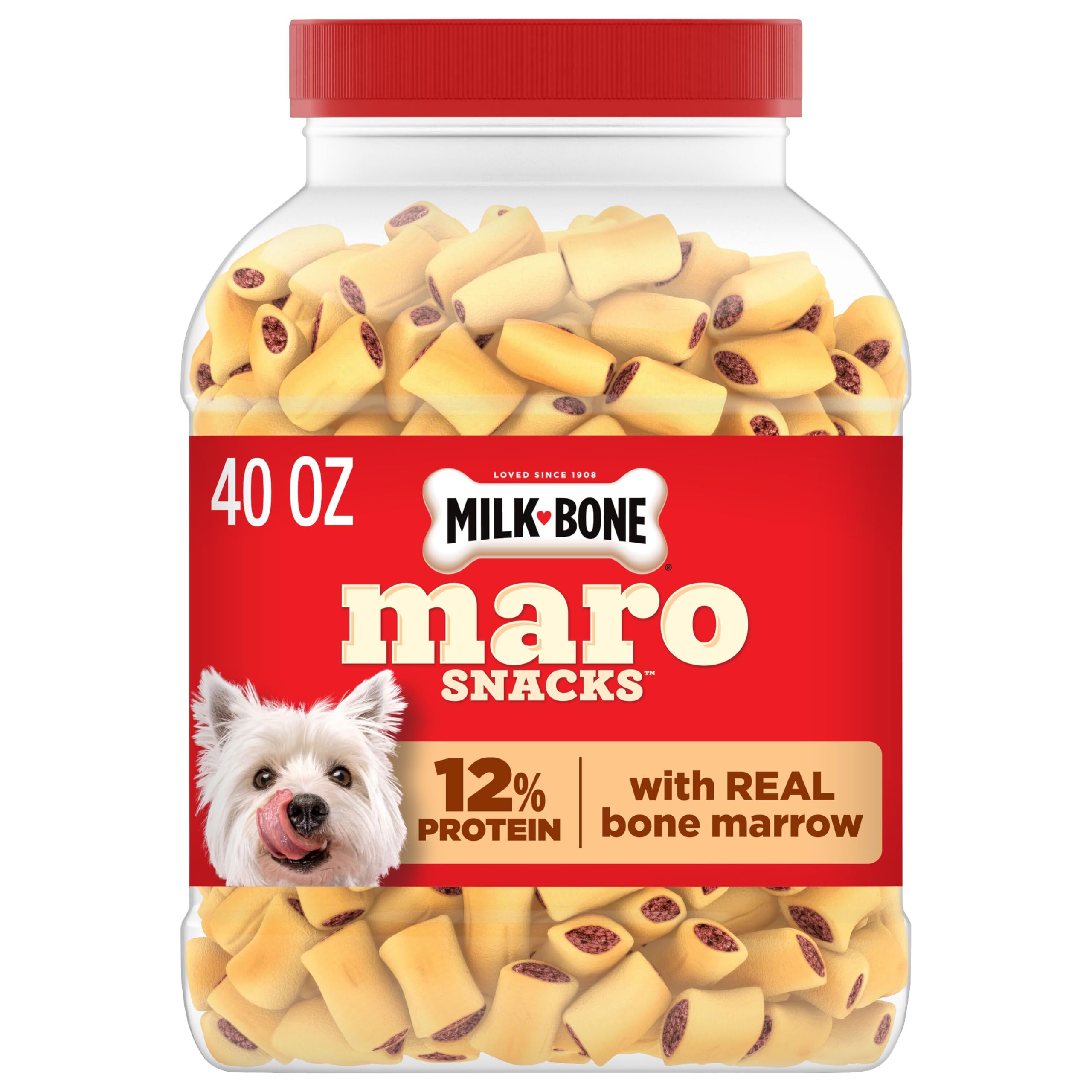
I recommend these if you want an affordable, crunchy treat that most small dogs will eat and that works well for training.
Pros
- Dogs gobble them up quickly.
- Low calories per treat, easy for training.
- Stays fresh in a large canister.
Cons
- Ingredient list includes grains and meat meals.
- Some buyers report higher shipping costs.
- Not ideal for dogs on strict limited-ingredient diets.
I gave these to several small dogs in my home and they excitedly ate every one. The crunchy outside with the meaty center feels like a real reward during training.
Portion control was simple since each treat is about 10 calories. I liked using them for multiple quick rewards without overfeeding.
The canister keeps the treats fresh and refills are easy to find. The ingredients aren’t the simplest, so I wouldn’t use them for dogs with food sensitivities.
These are a reliable, tasty option for everyday rewards and training for most small dogs.
Vital Essentials Beef Liver Treats
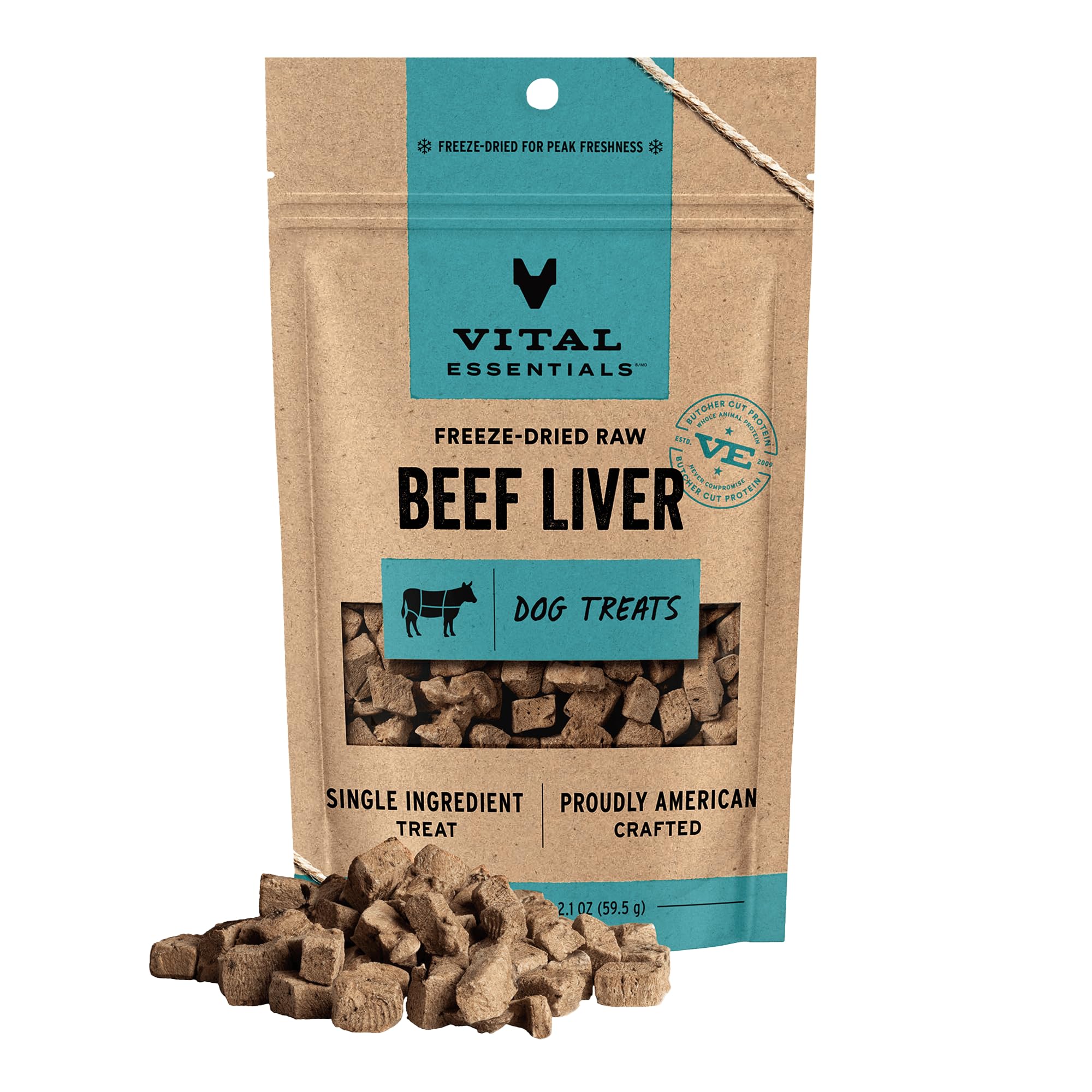
I bought these and would recommend them if you want a high-protein, single-ingredient training treat that your dog will eat.
Pros
- Real freeze-dried beef liver with no fillers.
- Small, crumbly pieces that work well for quick training rewards.
- Strong nutrient punch from whole-animal protein.
Cons
- Pricey for the small 2.1 oz bag.
- Very strong smell that may bother some people.
- Bag feels small and disappears fast with eager dogs.
I opened the bag and my dog went straight for it—he loves the taste and focus during training jumped up.
The freeze-dried texture breaks into tiny bits, so I could give several rewards without overfeeding. Handling is easy: no messy grease, and pieces keep their shape in a treat pouch.
The strong liver scent is normal, but it filled the room when I opened it. If you hate the smell, try opening outside.
The bag is small for the price. For occasional rewards it lasts, but heavy trainers will go through it fast.
Buy Vital Essentials Beef Liver Treats
Pur Luv Chicken Jerky
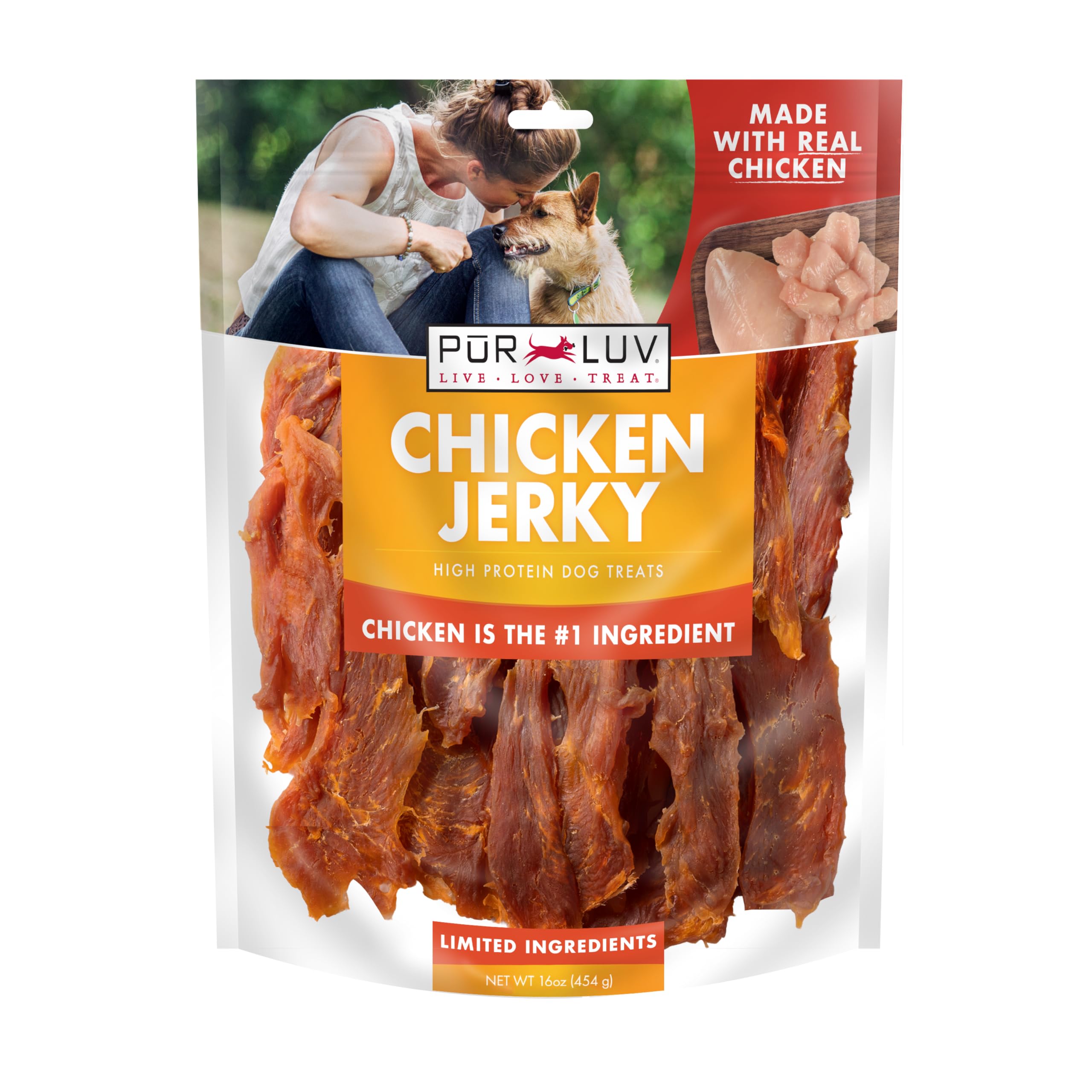
I recommend this if you want a simple, high-protein chicken treat that most dogs gobble up.
Pros
- Real chicken first on the list
- Low fat, high protein—good for training
- Simple ingredients, easy on sensitive tummies
Cons
- Some dogs eat them too fast
- Can be pricier than basic treats
- Not very long-lasting for heavy chewers
I opened the bag and the chicken smell felt natural, not fake. My dog perked up right away and ate one without hesitation.
I used these for training and short reward sessions. They break into smaller pieces easily, so one stick can turn into several treats during a session.
I also left one in a treat ball to keep my dog busy while I stepped out. It worked, but didn’t last super long for big chewers.
The simple recipe and real chicken made these a go-to for me when I wanted a reliable, tasty snack.
Milk-Bone Mini Flavor Snacks
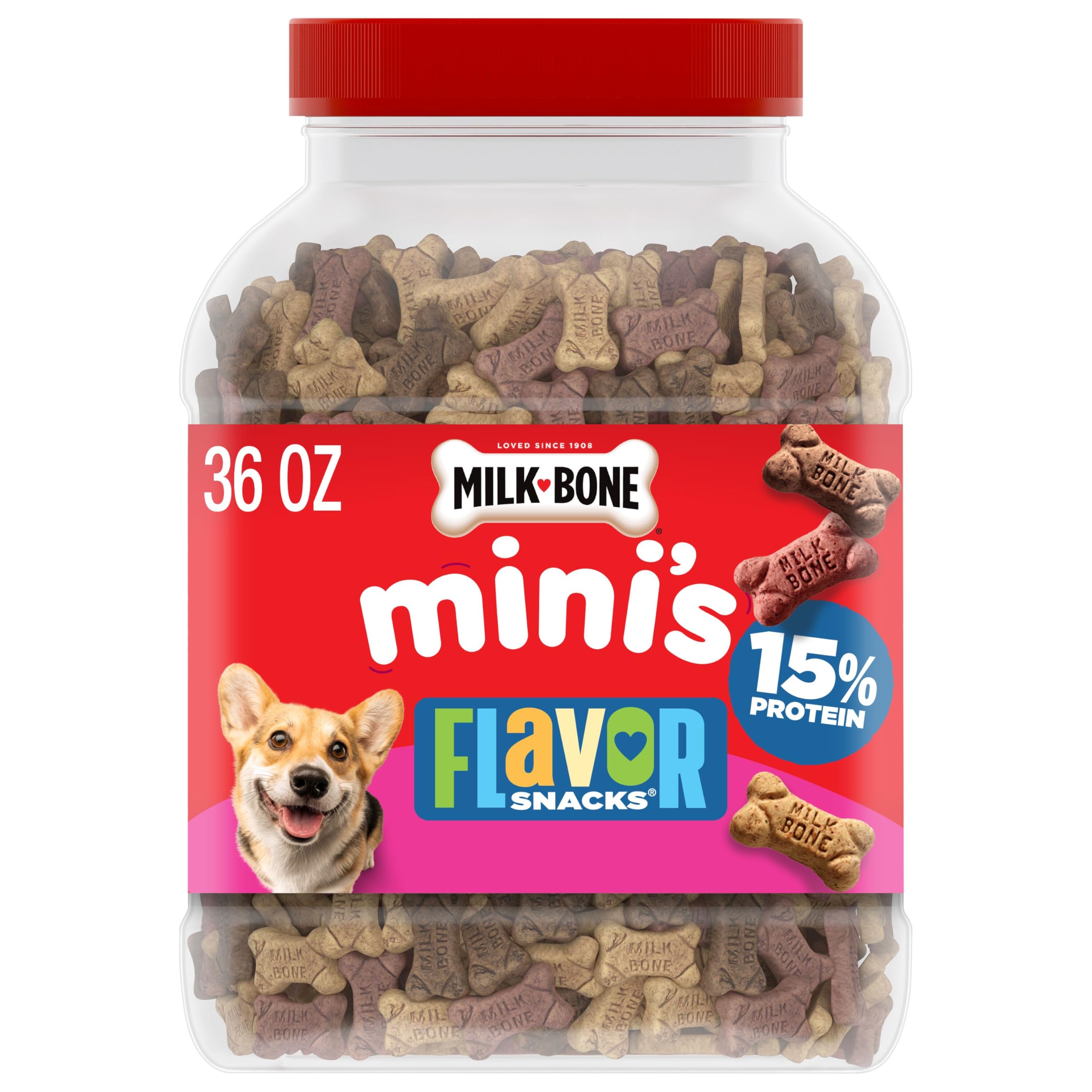
I recommend this if you want low-calorie, small training treats that most dogs will eat.
Pros
- Small size works great for training and travel.
- Low calories so you can give more treats without guilt.
- Crunchy texture seems to help freshen breath.
Cons
- Some dogs may prefer softer treats.
- Canister is bulky for small bags.
- Flavors are simple—no premium ingredients.
I grabbed the big canister after seeing my puppy learn a trick faster with tiny rewards.
The minis are easy to split or carry in a pocket, and my dog stays focused without getting too full.
The crunch makes his breath a little fresher after a few days of use. He loves the beef and bacon flavors, and I liked that each treat only has about five calories.
The canister lasted a while in my house, but it’s wide and takes space in my pantry. If your dog needs soft treats for dental reasons or older dogs with weak teeth, these might feel too hard.
I used them in puzzle toys and on walks, and they held up well inside treat-dispensing toys. These are a simple, reliable option for everyday reinforcing and quick rewards.
Buying Guide
I always check the ingredient list first. High-quality protein should be right up near the top.
If I see vague stuff like “meat meal” and no details, I move on. That just feels sketchy.
I look for the AAFCO or a similar statement about life-stage approval. That at least tells me the food meets some basic nutrition standards.
But honestly, that doesn’t mean it’s right for every single dog out there. It’s a starting point, not a guarantee.
My dog’s age, weight, and health needs really matter. Puppies, adults, seniors, and dogs with allergies all need different nutrients.
Calorie counts are a big deal for weight control, so I keep an eye on those too. It’s easy to overfeed without realizing it.
I compare the guaranteed analysis: protein, fat, fiber, and moisture. Active dogs usually do better with more protein.
Extra fiber can help with digestion, especially if your dog’s got a sensitive stomach. Calorie info per cup helps me figure out portions.
I read the feeding guidelines, but I don’t follow them blindly. I adjust based on my dog’s body condition.
Honestly, I weigh portions when I can. Guessing just isn’t as reliable.
Manufacturing and source transparency matter to me. I like brands that actually tell you where ingredients come from and how they handle quality control.
That makes it easier for me to trust what I’m feeding my dog. Not every company is upfront about this stuff.
Cost per day is more important than just the bag price. Sometimes the cheaper bag means you’ll use way more food every day.
I always calculate based on calories and my dog’s actual daily needs. Otherwise, the math gets fuzzy fast.
When I try a new food, I switch things up slowly—usually over a week or so. I watch for any stool changes, weird energy, or skin issues.
If something seems off, I stop and talk to my vet. No shame in being extra careful.
| Feature to Check | Why it Matters |
|---|---|
| First ingredients | Shows main protein source |
| Life-stage statement | Ensures basic nutrition match |
| Guaranteed analysis | Guides macronutrient needs |
| Calorie info | Helps portion control |
| Ingredient transparency | Indicates quality and safety |
| Price per day | Reflects true cost |
Best Pet Air Purifiers for Homes With Allergies and Pets - Pawsome Delights
June 14, 2026 @ 8:35 am
[…] use is another thing on my checklist. I try to find energy-efficient motors or low-power settings to keep costs […]
Best PetPace Health Collar: Comprehensive Review and Buying Guide - Pawsome Delights
July 1, 2026 @ 3:49 pm
[…] always check comfort first. A collar needs to fit right and use soft materials so a pet can actually wear it all […]
Pet Flea & Tick Prevention: Expert Strategies for Year-Round Protection - Pawsome Delights
July 7, 2026 @ 4:40 pm
[…] If you move too fast, the liquid can drip—keep a towel handy. Overall, it saved me vet visits and worked well for my small dog’s routine. […]